

WASHINGTON — The officers from ICE’s Fugitive Operations Team 9 were not looking for him. They were carrying a photograph of someone else when they stopped a Guatemalan man and two of his coworkers outside a Brooklyn gas station at 6:34 p.m. on Aug. 29.
Thirteen minutes later, they had written an arrest warrant with his name on it. Three minutes after that, he was in custody. More than five hours passed before the government filed anything with an immigration court explaining why.
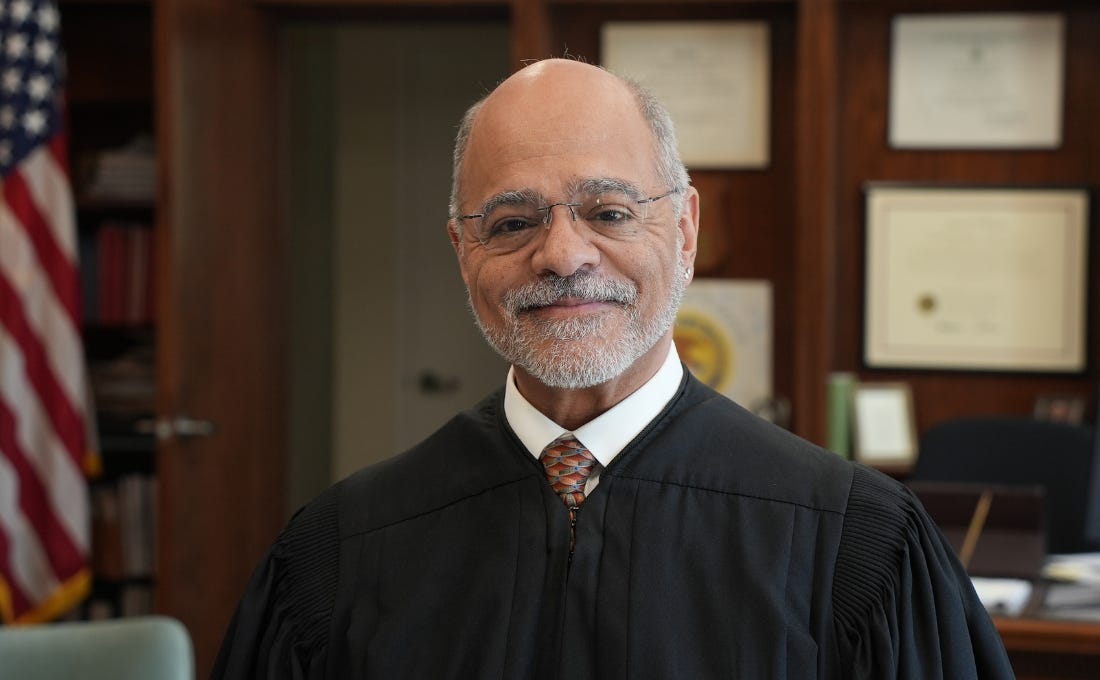
A federal judge in Brooklyn ruled Oct. 27 that this order of events is illegal: arrest first, file the paperwork later. U.S. District Judge Ramón E. Reyes Jr. ordered the man released “forthwith.”
His 29-page opinion holds that ICE’s power to arrest and jail people under 8 U.S.C. § 1226(a), the law behind most ICE arrests of people not accused of any crime, does not start when an officer fills out a charging document. It starts when that document, called a Notice to Appear, is filed with an immigration court.